Care Home Volunteering: Embarking on a Rewarding Journey of Making a Difference
Volunteering in care homes is more than just giving time—it's about making a real difference in people’s lives and enriching your own. This article dives into the world of care home volunteering, highlighting how this meaningful activity strengthens both communities and individual spirits. Whether you’re looking to fill your time with purpose or seeking to connect with others, care home volunteering offers rewarding opportunities for everyone, regardless of age or background.
You’ll learn about the various roles you can play, from engaging in activities with residents to offering a listening ear. Discover how volunteering can provide a sense of fulfillment and community while also benefiting those you support. Ready to make a difference? Let’s explore how you can get involved and maximize the impact of your time in care homes.

It's crucial to understand that while volunteers significantly alleviate workforce shortages which was exacerbated by the COVID-19 pandemic, they complement rather than replace paid staff. This involvement provides a deep understanding of the care sector, enriching the volunteer's life and the lives of those they assist. In essence, care home volunteering is not just an act of service; it's a journey of personal and communal growth, particularly vital in the post-pandemic landscape.
The Current Landscape Of Volunteering In UK Care Homes
In the wake of heightened needs within the NHS, the landscape of volunteering has evolved remarkably. The National Council for Voluntary Organisations (NCVO) observes a shift towards micro-volunteering, particularly among those on furlough leave. This approach involves offering snippets of time and energy, providing flexibility and accessibility. Royal Voluntary Service research indicates a significant volunteer base among those aged 55-74, with 46% engaged in such activities. Furthermore, government data reveals that 23% of individuals over 16 in England regularly volunteered as of March 2020. As per Volunteers' Week research, the primary motivation remains to improve lives and communities.
Seven Compelling Reasons To Volunteer In Care Homes
1. A Stepping Stone for Career Aspirations
Volunteering in care homes can be a gateway to a career in the care sector. It offers firsthand experience and skill development, with many care providers offering the necessary training and resources.
2. Fostering Connections and Friendships
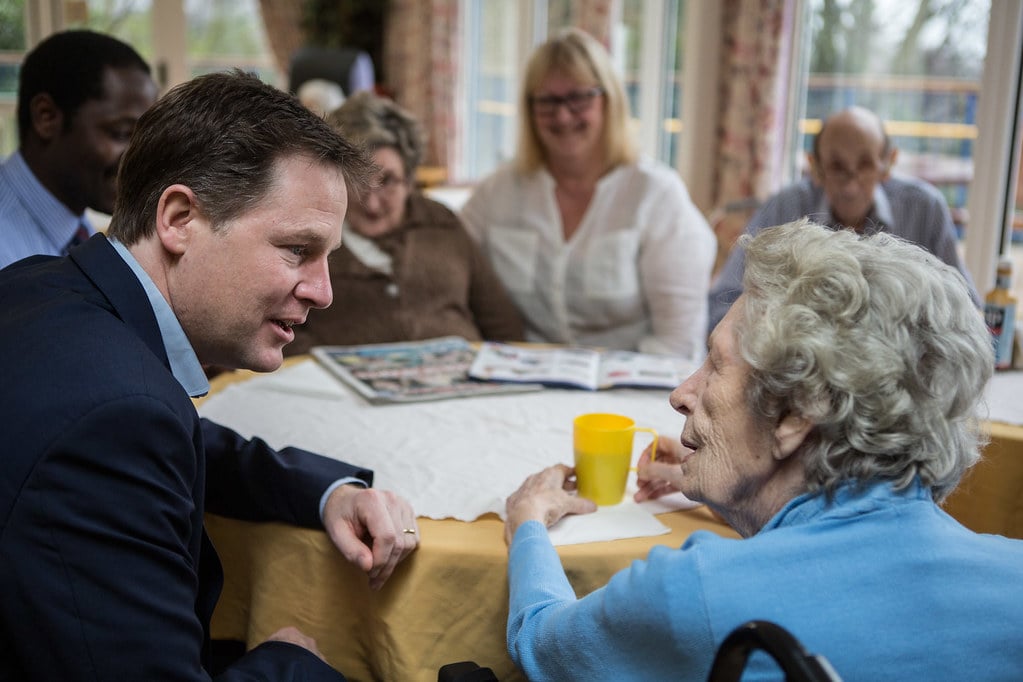
Volunteering is an antidote to isolation, presenting opportunities for meaningful connections. It's particularly poignant for those coping with the loss of a loved one, serving as a bridge to community re-engagement.
3. Active Engagement and Mental Well-Being
An antidote to excessive free time, volunteering can enhance mental health and well-being, as 80% of Royal Voluntary Service volunteers report. It promotes physical activity and mental presence, fostering a supportive network with residents and staff.
4. The Gift of Giving Back
For those who have previously benefited from volunteering, this is a chance to 'pay it forward.' Volunteering alleviates the strain on the care industry and enriches the lives of residents.
5. Gleaning Wisdom from the Elderly
Interacting with older people offers invaluable life lessons and perspectives, enhancing communication skills, empathy, and understanding.
6. Building Confidence

Volunteering can bolster confidence, especially for those who've experienced social skill attrition due to prolonged absence from social environments. It's a platform for personal growth and community contribution.
7. Gaining Invaluable Experience
The experience gained in care homes is not only a stepping stone for a career in care but also enriches one's personal development and understanding of the sector.
What Kind Of Care Homes Accept Volunteers In The UK?
In the UK, various care homes welcome volunteers, each offering different experiences and opportunities for those looking to contribute their time and skills. The types of care homes that typically accept volunteers include:
- Residential Care Homes: These facilities provide living accommodations and personal care for elderly individuals who may need assistance with daily activities but do not require intensive medical or nursing care.
- Nursing Homes: These are more medically focused than residential care homes and provide 24-hour nursing care to residents with significant health needs.
- Specialist dementia Care Homes: These homes cater specifically to individuals with dementia, offering tailored support and environments designed to manage the symptoms of dementia.
- Hospices: Hospices provide compassionate care for people at the end of their lives, focusing on comfort and quality of life.
- Day Care Centers for the Elderly: These centers provide care and social activities for older people during the day, allowing them to return home in the evenings.
- Supported Living Facilities: These homes support individuals with disabilities, helping them live independently.
- Rehabilitation Centers assist individuals recovering from illnesses, injuries, or surgeries.
Each type of care home offers a unique volunteering experience, from engaging with residents in social activities to assisting with day-to-day operations. Volunteers can choose a setting that aligns with their interests, skills, and the kind of impact they wish to make. It's also important to note that most care homes require volunteers to undergo a background check and some basic training, especially when working with vulnerable populations.
What Kind Of Training Do Care Providers Offer To Volunteers?
Care providers in the UK typically offer a range of training to volunteers to ensure they are well-equipped to handle their roles effectively and sensitively. This training is crucial, as it not only enhances the volunteer's experience but also ensures the safety and well-being of the residents. Common types of training provided include:
- Induction Training: An introductory session that covers the basics of the care home, its policies, and the expectations from volunteers. This often includes a tour of the facility and an introduction to staff and residents.
- Basic Health and Safety Training: This includes understanding how to maintain a safe environment, awareness of potential hazards, and handling emergencies.
- Safeguarding Training: Crucial for anyone working with vulnerable populations, this training covers how to recognize and report abuse or neglect, understand the rights and dignity of residents, and ensure their safety.
- Data Protection and Confidentiality: Training on handling sensitive information about residents and staff, respecting privacy, and understanding legal compliance with data protection laws.
- Dementia Awareness (if applicable): For volunteers in homes specializing in dementia care, training on understanding dementia, effective communication techniques, and how to support residents with dementia.
- First Aid Training: Basic first aid training can be provided, especially in handling minor injuries or health issues, until professional medical help arrives.
- Specific Care Needs Training: Depending on the type of care home, volunteers may receive training on the specific needs of the residents, such as mobility assistance, dietary requirements, or managing medications.
- Communication Skills: Training on effective communication is particularly important for interacting empathetically with elderly residents or those with communication challenges.
- Activity Planning and Engagement: Guidance on how to plan and facilitate activities that are both enjoyable and beneficial for the residents, catering to their physical, mental, and social well-being.
The extent and nature of training can vary depending on the care home and the role of the volunteer. Some care homes may also offer ongoing training and support sessions to help volunteers continually develop their skills and knowledge.
9 Challenges Associated With Volunteering In Care Homes
Volunteering in care homes is a rewarding experience but comes with risks and challenges. Potential volunteers should be aware of these to ensure they are prepared and can make the most out of their volunteering experience. Some of the key risks and challenges include:
- Emotional Challenges: Working in a care home can be emotionally demanding. Volunteers may form close bonds with residents and may find it difficult to cope with issues like the declining health or death of residents they've become attached to.
- Physical Demands: Some volunteer roles involve physical tasks like assisting with mobility, which can be physically demanding. It is important to know and communicate one's physical limits and communicating them to the care home staff.
- Health Risks: Particularly in the context of infectious diseases like COVID-19, there's a risk of illness exposure. Care homes usually provide training and protective equipment to minimize this risk, but it's still a consideration, especially for those with underlying health conditions.
- Psychological Impact: Volunteers may encounter challenging situations, such as dealing with residents who have complex needs or exhibit challenging behaviors, including those with dementia or mental health issues.
- Time Commitment: Balancing the commitment to volunteer with personal, work, or educational responsibilities can sometimes be challenging. It's important to have a realistic understanding of the time commitment involved.
- Training Requirements: The need for adequate training and sometimes background checks can be a hurdle for some. While necessary for quality care and safety, this process can be time-consuming.
- Attachment and Loss: Forming emotional attachments to residents is natural, but dealing with loss, whether through a resident's passing or other changes, can be hard to process.
- Confidentiality and Ethical Challenges: Maintaining confidentiality and navigating ethical dilemmas in a care home setting can be challenging, particularly in complex or sensitive situations.
- Burnout: Volunteers risk burnout due to the emotional and sometimes physical demands of volunteering in a care home. It's important to recognize the signs and take steps to manage one's well-being.
Awareness of these challenges allows potential volunteers to better prepare themselves and seek support when needed. Most care homes offer support and guidance to help volunteers navigate these challenges effectively. Despite these risks, many find volunteering in care homes to be an incredibly fulfilling experience, providing essential support to residents and staff.
Conclusion
In conclusion, volunteering in care homes is an enriching journey, both for the individual and the community. It offers a unique blend of personal growth, social connection, and professional development. While embarking on this path, it's important to approach it with a balance of enthusiasm and realism. Be mindful of the emotional and physical demands it entails, and ensure you're well-supported throughout your volunteering experience. Remember, while you're there to help others, taking care of your well-being is equally important. This journey is not just about giving but also about learning and growing. Embrace it with an open heart and mind, and you'll find that the rewards far outweigh the challenges. Whether you're seeking a new career path, making new friends, or want to give back to your community, volunteering in a care home is a commendable step that can make a significant difference in many lives, including yours. So, take that first step, explore the opportunities available, and embark on a journey that promises to be as fulfilling as it is meaningful.
Useful Links To Learn More
- Volunteering Matters
Volunteering Matters offers comprehensive information on volunteering opportunities across the UK, including care homes. - The Royal Voluntary Service
Royal Voluntary Service provides details on volunteering roles and opportunities in care homes and other community services. - Age UK
Age UK offers resources and guidance on volunteering with older people, including in care home settings. - Do-it.org
Do-it.org is a UK-based platform where you can find various volunteering opportunities, including those in care homes. - Care Quality Commission (CQC)
Care Quality Commission provides information on care home standards and how volunteers can contribute to improving care quality. - NCVO (National Council for Voluntary Organisations)
NCVO supports and promotes volunteering across the UK with useful resources for potential volunteers. - Volunteer Scotland
Volunteer Scotland is a great resource for those in Scotland looking to volunteer in care homes and other community settings.
Feature Image Photo By Kampus Production on Pexels
Keep reading
Need personal guidance?
Talk to an advisor
Our care experts are here to help you make the right choice — for free.