Dementia Villages: What Are They And Do They Work? Get The Facts In 2025!
Imagine a care model that feels more like a vibrant community than a traditional care home. Welcome to the world of dementia villages, a groundbreaking approach that's making waves across the globe and now starting to take root in the UK. With dementia affecting more of our aging population, these villages offer a refreshing shift from conventional care methods. In this article, we'll explore the innovative concept behind dementia villages—originating from the renowned Hogeweyk village in the Netherlands. You'll learn how these villages operate, their core principles, and how they aim to create a more engaging, supportive environment for those with dementia.
Curious about how this model could transform care for your loved ones? We’ll provide practical insights and recommendations to help you navigate this compassionate approach, painting a vivid picture of what a more humane and connected form of care could look like. Let’s dive in and discover how dementia villages are shaping the future of care.
What is a Dementia Village?
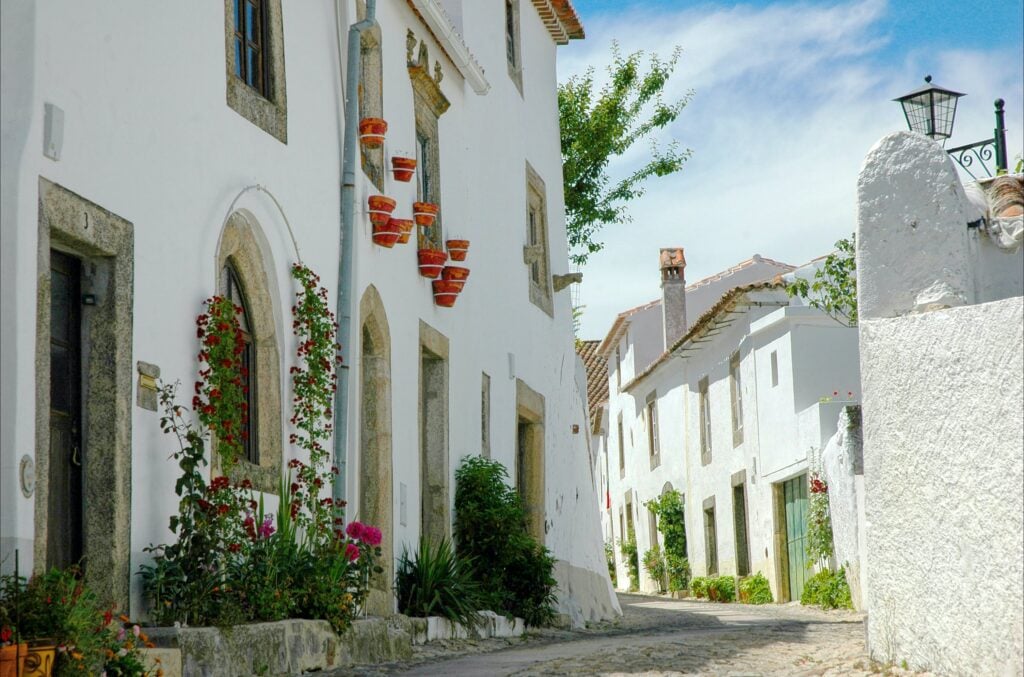
Dementia villages, a revolutionary concept in elderly care for those with dementia, emulate the layout and feel of a typical village. These facilities, such as the renowned Hogeweyk in the Netherlands, offer a holistic environment with amenities like shops, restaurants, and theaters. Surrounded by beautiful landscapes, they aim to provide residents a semblance of normal life.
The Role of Carers in Dementia Villages
Unique to these villages are carers who reside on-site, offering personalized support to residents with varying stages of dementia. This living arrangement facilitates better care and allows continuous observation and improvement of these innovative care methods.
Dementia Village Associates: Personalising Care
Dementia Village Associates (DVA) champions 'the Dutch Model', focusing on enhancing life quality. This approach moves away from standardized care, allowing residents to choose more aligned with their preferences and lifestyles. DVA's environment is designed to be familiar and comforting, fostering a sense of safety and belonging.
Hudson Hills: A Shift in Care Culture
Hudson Hills exemplifies a cultural shift in dementia care, focusing on maintaining residents' normal, enjoyable social lives. The village's design aims to minimize confusion and encourage active community participation, with activities tailored to honor and dignify each resident.

Cuijkse Cantheelen: Diverse Residential Care
This development offers 97 care homes, 60 studios for intensive care needs, and 49 standard homes, demonstrating the versatility in care environments.
Alliade Meriant: Reconnecting with the Past
Located in the Netherlands, Alliade Meriant encourages residents to reconnect with their pre-dementia lifestyles. This approach leverages familiar settings to instill confidence and security, providing various spaces for relaxation and active engagement.
Aalborg and Rome: Expanding the Concept
DVA Aalborg in Denmark and the Villaggio Emanuele in Rome further illustrate the global adoption of this care model. The village replicates traditional town elements in Rome, fostering a familiar and stimulating environment.
Berlin: Socially Driven Care
DVA Berlin focuses on a social approach, encouraging residents to stay active and engaged within a familiar environment.

Hogeweyk: A Pioneering Village
Hogeweyk, set in the Netherlands, is a unique facility housing over 150 people with severe dementia. This village is staffed predominantly by caregivers, offering a secure and monitored environment while maintaining a semblance of normal life for its residents.
Hogeweyk Care Concept and Cost
The Hogeweyk concept, costing €19.3 million to construct, is supported largely by Dutch government funding. It operates at near-full capacity, with costs partially subsidized by the government, ensuring affordability for families based on income.
8 Challenges Associated With Implementing Dementia Villages?
Implementing dementia villages, while promising in theory, comes with several challenges that need careful consideration and management:
- Financial Constraints: One of the most significant challenges is the financial aspect. Constructing and maintaining a dementia village requires substantial investment. The cost of building these specialized facilities and ongoing operational expenses can be high. Additionally, making these services affordable and accessible to a wide range of families, especially considering the varying degrees of financial support available from the government or insurance, is a considerable challenge.
- Staff Training and Retention: Staff in dementia villages need specialized training to provide the best care for residents with varying stages of dementia. This training goes beyond typical caregiving skills, encompassing an understanding of the specific needs and behaviors of dementia patients. Moreover, retaining skilled staff can be difficult due to the job's emotionally and physically demanding nature.
- Balancing Freedom and Safety: Dementia villages aim to provide residents a sense of normalcy and freedom. However, ensuring the safety of residents, particularly those with advanced dementia who may wander or have other safety needs, is crucial. Striking the right balance between allowing residents freedom and ensuring their safety is delicate.
- Regulatory Compliance: Adhering to healthcare and safety regulations while creating a non-institutional, homelike environment is challenging. Dementia villages must comply with national and local regulations governing elder care facilities, which vary significantly and may not always align with the dementia village concept.
- Cultural and Social Adaptation: Implementing the dementia village concept in different cultural and social contexts can be challenging. What works in one country or community might not be suitable or acceptable in another. Adapting the concept to fit the local culture, social norms, and expectations is essential.
- Measuring Effectiveness: Quantifying the success and effectiveness of dementia villages in improving the quality of life for residents can be challenging. Establishing metrics and conducting long-term studies to assess the impact on residents' well-being, health outcomes, and overall satisfaction is essential for validating this approach.
- Scalability and Replicability: While the concept has shown promise, replicating the model on a larger scale or in different settings poses challenges. Each community has unique needs, and a one-size-fits-all approach may not be effective.
- Family and Community Engagement: Ensuring that families are engaged and supportive of the dementia village model is important. It requires educating families about the benefits and limitations of this type of care and encouraging their active involvement in the residents' lives.
Addressing these challenges requires a multifaceted approach involving collaboration among healthcare professionals, policymakers, architects, and the broader community. With careful planning and ongoing evaluation, dementia villages can continue to offer an innovative and effective model for dementia care.
10 Countries That Have Adopted The Dementia Village Model?
The dementia village model pioneered in the Netherlands has inspired several countries worldwide to adopt or adapt this innovative approach to dementia care. Some of these countries include:
- Netherlands: The Hogeweyk village in Weesp is the most well-known and pioneering example of a dementia village. It has served as a blueprint for similar developments globally.
- Italy: The Villaggio Emanuele in Rome is a notable example, designed to replicate the success of Hogeweyk and provide a familiar, stimulating environment for people with dementia.
- Denmark: The Danish city of Aalborg hosts a dementia village, reflecting the country's commitment to progressive dementia care.
- Germany: In Berlin, the dementia village concept has been adapted to suit local needs, emphasizing a socially driven approach to care.
- Canada: Canada has shown interest in this model, with projects like the Village Langley in British Columbia, designed to provide a safe, village-like environment for seniors.
- Australia: Australia has also explored this concept, with examples like the Korongee village in Tasmania, which was designed to create a supportive community environment for people with dementia.
- United States: In the U.S., developments are inspired by the dementia village model, focusing on creating a more homelike and community-centric environment for dementia care.
- Sweden and Norway: Scandinavian countries have been interested in adopting similar models, focusing on creating a more personalized and community-oriented care environment.
- France: France has also shown interest in this model, with projects underway to create dementia-friendly communities.
- United Kingdom: In the U.K., there is growing interest in developing dementia villages, inspired by the success of such models in other countries.
These countries adapt the model to their cultural, social, and regulatory environments. The success of these villages in various countries underscores the universal need for more humane, personalized care for individuals with dementia. This global spread of the dementia village concept highlights a shift towards more innovative, resident-centered approaches in elder care, especially for those with dementia.
What Are The Cost Of Living In Dementia Villages, And How Is It Determined?
The cost of living in dementia villages varies depending on several factors, and it is typically determined by a combination of the following:
- Location: The geographical location of the dementia village plays a significant role in determining the cost. Villages situated in areas with higher living costs generally have higher fees.
- Facility Amenities and Services: The range and quality of amenities and services significantly impact the cost. Villages offering extensive facilities like shops, restaurants, salons, and recreational activities may charge more.
- Level of Care Required: The cost can vary depending on the resident's stage of dementia and the level of care they require. Higher levels of care, which involve more staff time and resources, generally lead to higher costs.
- Staffing Ratios: The ratio of staff to residents influences the cost. A higher staffing ratio, which often translates to better quality care, can increase the overall cost.
- Room and Board: Like any residential facility, the cost includes expenses for accommodation and meals. The type of accommodation (e.g., private vs. shared rooms) and the quality of meals can affect the price.
- Government Funding and Subsidies: In some countries, government subsidies or funding may partially offset the cost. For example, in the Netherlands, the government subsidizes a portion of the costs for residents, which can significantly reduce the out-of-pocket expenses for families.
- Insurance Coverage: In some cases, health or long-term care insurance may cover some costs, depending on the policy and the country's healthcare system.
- Operational Costs: The overall operational costs of running a dementia village, including maintenance, utilities, and staff salaries, also factor into the pricing.
- Income-Based Scaling: Some dementia villages implement an income-based scaling system where the fee structure is adjusted based on the resident's ability to pay. This helps in making the facility accessible to a wider range of families.
- Additional Fees: There may be additional fees for extra services, such as specialized medical care, physical therapy, or personal care services.
For example, Hogeweyk village in the Netherlands reportedly costs residents approximately €5,000 to €6,000 per month, with the Dutch government subsidizing a significant portion of these expenses. However, costs can vary widely between different countries and facilities.
Conclusion
In conclusion, the advent of dementia villages marks a significant stride forward in caring for our elderly loved ones with dementia. These villages offer a beacon of hope, blending a sense of familiarity and community with specialized care. The key is personalization – creating environments where residents can thrive in a setting that resembles their former lives, thereby maintaining their dignity and quality of life. While there are challenges, such as ensuring the right balance of freedom and safety and the financial aspects of such specialized care, the benefits are clear. These villages not only improve the lives of those with dementia but also offer valuable insights and methodologies for dementia care worldwide. As we continue to explore and refine this approach, it's heartening to see a future where our loved ones with dementia can live in comfort and joy. For those considering this option for a family member, I encourage you to research and visit these villages to see firsthand their potential. It's about offering more than care; it's about providing a life worth living, filled with respect, love, and meaningful engagement.
Useful Links To Learn More
- Carers UK: Discounts and Offers for Carers
- A comprehensive guide to discounts and offers available for carers, including retail, travel, and lifestyle benefits.
- Age UK: Discounts for Carers
- Information on various discounts available to carers, with practical tips on how to access and benefit from them.
- The Carers Trust: Carers Discounts
- Details on discounts and financial benefits specifically tailored for carers, including partner offers and special deals.
- Discounts for Carers: List of Available Discounts
- A dedicated site listing numerous discounts and special offers for carers, from everyday savings to unique offers.
- GOV.UK: Carers Allowance and Financial Help
- Official government resources on financial support for carers, including information on Carer’s Allowance and related benefits.
- The National Carers Association: Carer Discounts
- Insights into available discounts and support services for carers throughout the UK.
- The Carer: Carer Discounts and Offers
- Information on various discounts and benefits for carers, including details on how to claim these offers.
Keep reading
Need personal guidance?
Talk to an advisor
Our care experts are here to help you make the right choice — for free.