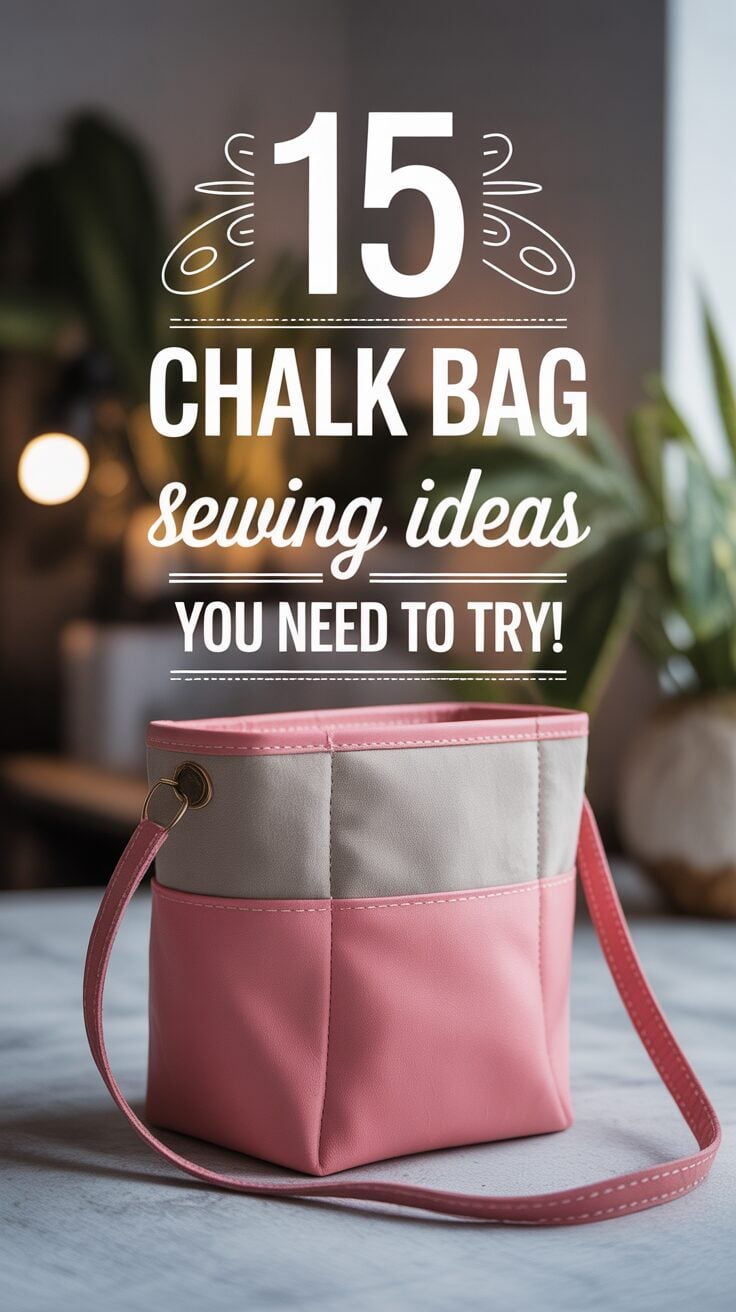
15 Best Chalk Bag Sewing Ideas You Need To Try!
I’ve been sewing chalk bags for years, and I can tell you there’s something deeply satisfying about clipping a handmade bag to your harness. Whether you’re working with fabric scraps, upcycling old denim, or experimenting with waterproof materials, each design offers its own blend of function and personality. I’ve gathered fifteen tried-and-true patterns that range from beginner-friendly to more advanced techniques. Let me walk you through what makes each one worth your time.
Key Takeaways
- Classic trapezoidal panel design uses nylon exterior, fleece lining, and wire rim reinforcement for shape retention and durability.
- Patchwork designs utilize fabric scraps in geometric patterns, while upcycled denim bags promote eco-friendly practices using old jeans.
- Add functional features like zippered pockets, interior brush holder loops, and exterior gear loops for enhanced climbing convenience.
- Youth-specific bags use lightweight ripstop fabric with bright patterns, weighing 50-70 grams for easy handling by young climbers.
- Water-resistant options incorporate ballistic polyester or TPU bases with rolltop dust flaps to protect chalk from moisture outdoors.
Classic Trapezoidal Chalk Bag With Circular Top Opening

The classic trapezoidal chalk bag stands as the most recognizable design in climbing circles, and I’ll show you how to create one from scratch. You’ll construct this using four trapezoidal panels that form an upside-down house shape, creating a circular top opening and stable square bottom. I recommend nylon fabric for your exterior due to its abrasion resistance, paired with fleece lining that distributes chalk efficiently while reducing dust. Additionally, consider upcycling old materials such as denim to add a unique touch to your chalk bag.
Start by tracing your pattern pieces with rulers—you’ll need four panels each for exterior and lining. Sew panels together into a cylinder, then attach your circular top and bottom pieces separately. Insert plastic boning or wire around the rim to maintain that essential open shape. Add a cord channel with a toggle for secure closure, and don’t forget an eyelet 1.5″ from the top for smooth cord routing. These construction techniques are applicable to various designs, allowing you to customize your chalk bag based on personal preferences.
Multi-Panel Patchwork Design Using Fabric Scraps

While the classic design offers reliability, creating a multi-panel patchwork chalk bag transforms your leftover fabric scraps into a one-of-a-kind climbing accessory that reduces waste and showcases your personal style. Incorporating recommended fabrics ensures durability and enhances the bag’s functionality for climbers.
I arrange 4–6 fabric pieces in geometric or freeform patterns, ensuring durable materials like canvas or cotton form key panels. I cut scraps to create a 7″ x 13″ finished dimension, pressing carefully for clean alignment. Stitching with right sides facing and a 1 cm seam allowance, I press seams open to minimize bulk.
After assembling the patchwork outer shell, I sew a separate fleece lining for chalk retention. I join both layers at the top edge, inserting a drawcord for closure and adding webbing tabs for belt attachment. For a decorative touch, Foundation Paper Piecing can be used to create intricate mountain motifs that elevate the bag’s aesthetic appeal. The climbing community loves sharing these unique designs online, proving no two patchwork bags are ever identical.
Upcycled Denim Chalk Bag From Old Jeans

When I discovered my old Levi’s could become a rugged chalk bag instead of landfill waste, I knew I’d found the perfect weekend project.
I started by creating a simple pattern: one 6-7 inch diameter circle and a rectangular body piece cut from scrap paper. The denim’s natural durability makes it climbing-ready without extra reinforcement. For my inner lining, I incorporated vintage ties in red, white, and blue—adding that Vintage Americana aesthetic while staying eco-friendly. Upcycled fabric options are a great way to add character to your projects.
Using zig-zag stitching prevented fraying along the edges. I installed grommets for the drawstring closure, repurposing old shoelaces instead of buying new cord. The attachment loop came from another denim strip. I gathered my sewing machine and basic supplies to complete the construction efficiently.
This project transforms thrifted materials into functional gear that catches everyone’s attention at the crag while keeping fabric out of landfills.
Fleece-Lined Double-Layer Chalk Bag for Extra Durability

After making dozens of single-layer chalk bags that wore through within a season, I’ve learned that double-layer construction with fleece lining isn’t just a luxury—it’s vital for climbers who demand gear that lasts. This method mirrors the approach of crafting durable aprons that withstand heavy use, ensuring longevity in both types of gear.
I construct the fleece inner separately, then insert it into my canvas outer shell, using 5/8″ seam allowances throughout. Double-stitching at stress points—especially the base and drawcord channel—prevents tearing during hard use. The fleece interior reduces chalk dust leakage while protecting your hands from abrasion. This approach combats fast fashion by creating durable gear that lasts multiple seasons instead of disposable items.
Before sewing, I pin layers carefully and align corner markers for precision. Clipping curves ensures a clean cylindrical shape. I always add grommet-reinforced openings for drawcords and reinforce belt loops with close stitching. This construction maintains shape beautifully and handles repeated gym sessions without complaint.
Zippered Pocket Chalk Bag for Storing Small Essentials

I’ve climbed with countless bags over the years, but nothing frustrated me more than fishing my car key from chalk-dusted pockets or losing my gym card mid-session. Adding a zippered pocket transforms your chalk bag into a secure storage solution for essentials like keys, IDs, and cash.
I recommend integrating the pocket into an outer panel before assembling your bag. Use a zipper foot for clean, even stitching along the edges, and layer your outer fabric, zipper, and lining carefully for a professional finish. Position the pocket vertically or horizontally based on your dominant hand—typically 3-5 inches deep works perfectly.
For durability, choose robust plastic or metal zippers with reinforced stitching. Consider adding a key clip inside for extra security, making your bag both functional and personalized. These enhancements can elevate your bag’s design and utility, making it a great example of customization techniques for your sewing projects.
Drawcord Closure Chalk Bag With Metal Grommets

The satisfying cinch of a well-designed drawcord closure separates a functional chalk bag from one that spills powder across your gear. I recommend installing metal grommets at your drawcord exit points—they’ll prevent fraying and guarantee smooth cord movement for years of reliable use. Adding adjustable straps to your design can enhance functionality and comfort while climbing.
Position grommets 1–1.5″ below the rim, reinforcing the fabric behind them with interfacing to prevent distortion. Use a 1/8″ nylon paracord threaded through the grommet and around your fleece liner, securing it with a plastic toggle for one-handed adjustment. The even cinching from all sides keeps your chalk secure between climbs. You’ll need a hole cutter and hammer along with a grommet inserter set containing a punch and anvil to properly install the grommets into your bag material.
I’ve found this system beautifully field-repairable; you can replace worn cords trailside without specialized tools, keeping your bag functional through countless climbing seasons.
Mini Chalk Bag for Kids and Youth Climbers

While adult climbers benefit from full-sized bags with robust closure systems, young climbers need gear that actually fits their smaller frames and hands. I design mini chalk bags measuring 11–12 cm tall and 10–10.5 cm in diameter, scaled perfectly for tiny hands. You’ll want to use durable ripstop or awning fabric for the outer shell, paired with soft fleece lining that distributes chalk gently. Keep the weight between 50–70 grams to avoid burdening young climbers. Additionally, using durable materials helps ensure the longevity of the bag even with regular use.
I always add bright colors and playful patterns—think animals or bold prints—to boost engagement. Include smooth-closing drawstrings with stopper buckles that protect little fingers, plus two strong attachment loops for belts or carabiners. Consider integrating a brush holder and reinforcing the bottom for longevity. These youth-specific features create gear kids actually want to use. For commercial options, you can find mini bags built to the same standards as adult gear, ensuring quality and durability for young climbers at the crag.
Reversible Two-Tone Chalk Bag Design

Because climbers want gear that reflects their personal style without buying multiple bags, reversible two-tone chalk bags offer the perfect solution—giving you two distinct looks in one functional piece. I’ll start by selecting contrasting fabrics like cotton and felt, then cut matching panels for both layers. The key is sewing each bag separately with right sides together, leaving a small opening to turn it right-side-out. I’ll topstitch around the top edge to prevent fabric migration when you flip between sides. Incorporating customization options can also enhance the overall design, allowing for unique personal touches.
For the cinch closure, I’ll thread cord through a channel accessible from both faces, using double loops so it functions smoothly regardless of orientation. Adding matching brush loops and belt attachments to both layers guarantees full functionality. This design works equally well for both crag and gym climbing environments, adapting to different climbing contexts. Test the closure system thoroughly before finishing to confirm seamless reversibility.
Chalk Bag With Protective Dust Cover Flap

When you’re tired of finding chalk dust coating everything in your climbing pack, adding a protective dust cover flap to your handmade chalk bag solves this frustration while keeping your chalk dry and ready to use.
I recommend sewing a rolltop-style flap using ripstop nylon or water-resistant fabric. Cut a rectangular piece that extends 4-5 inches beyond your bag’s opening. Attach a drawstring with cord stoppers, or install snap-closure buckles for quick one-handed access while you’re climbing.
For maximum dust containment, reinforce the flap’s seams and consider adding an inner liner. Many climbers in our community prefer recycled materials for environmental benefits without sacrificing durability. Consider using durable Tyvek material for your roll top design, which offers excellent tearproof properties while remaining lightweight.
This upgrade typically adds less than an ounce to your bag’s weight but dramatically reduces chalk leakage. Your gym buddies will appreciate the cleaner air, too.
Oversized Chalk Bag for Group Climbing Sessions

Group bouldering sessions create a unique challenge that standard personal chalk bags simply can’t handle—everyone waiting their turn shouldn’t need to fumble with tiny openings or watch the communal bag tip over for the third time. I recommend sewing a chalk bucket with a wide, stable base that holds 1–2 liters of loose chalk. Use heavy-duty nylon ripstop for the exterior and line the interior with plush microfleece to maximize chalk cling. Add a stiffened rim to maintain the opening’s shape and include dedicated pockets for brushes so your crew can clean holds between attempts. A drawstring closure contains dust during transport, while external attachment points keep keys and tape organized for everyone sharing the space. Position the bucket near the lower back when wearing it solo, or place it centrally on the mat where multiple climbers can dip their hands between attempts.
Minimalist Single-Panel Cylindrical Chalk Bag

While group sessions benefit from large-capacity buckets, solo climbers often prefer the opposite approach—a streamlined bag that disappears on your harness until you need it. I recommend constructing a cylindrical single-panel design measuring 13-15 cm tall by 12-13 cm diameter. You’ll cut one rectangular panel, stitch a single vertical seam, and add synthetic sherpa fleece lining to secure chalk effectively.
For the closure, thread 550-paracord through a casing at the top, creating a drawstring system. Insert aluminum tubing around the rim to maintain the round opening—this lets you grab chalk one-handed mid-route. The entire bag should weigh around 74 grams using abrasion-resistant nylon. Consider incorporating abrasion-resistant ripstop fabric for added durability, as this material is commonly used in commercial chalk bag designs.
This minimalist construction reduces fabric waste while delivering exactly what you need: quick access, durability, and zero bulk on technical climbs.
Belt-Loop Attachment Chalk Bag With Carabiner Clip

Because attachment method directly impacts your climbing efficiency and safety, I’ll show you how to construct a chalk bag with versatile belt-loop and carabiner options.
I sew two reinforced loops on the back panel—this dual system lets you choose your preferred attachment. For the belt loop, I use 25mm webbing sewn through both loops, creating a secure waist attachment that weighs just 22g and positions the bag at ideal dipping height.
When adding carabiner compatibility, I reinforce each loop with bartack stitching to handle repeated clipping. I’ve found that lightweight accessory carabiners (10-43g) minimize swing on overhangs without the spine injury risk of metal-on-harness contact.
This dual-attachment design gives our climbing community freedom to adapt their setup for chimneys, sport routes, or multi-pitch adventures. Consider positioning the carabiner loops to hang the bag lower than your rear gear loop, which helps you avoid overextending your arm during climbs.
Colorful Printed Cotton Chalk Bag With Contrasting Trim

After you’ve mastered attachment methods, I’ll show you how to create a chalk bag that expresses your personal style through fabric choice.
Select colorful printed cotton fabric paired with contrasting trim to achieve a custom, high-contrast design. I recommend medium to heavyweight cotton for durability, cutting your pieces with 5/8″ seam allowances. Sew the outer shell and fleece liner separately, then attach contrasting trim along the top rim through careful pinning and stitching in the round.
The trim serves multiple purposes: it finishes raw edges, adds structural integrity, and creates a built-in cord channel for your drawstring closure. Insert bungee cord within the trim to maintain the bag’s opening. This construction method produces a cylindrical bag measuring approximately 5-6 inches tall, combining practicality with personalized aesthetic appeal. For climbers seeking a lightweight option, you can create a version using worsted weight yarn with basic crochet techniques instead of fabric.
Chalk Bag With Interior Brush Holder Loop

Adding an interior brush holder loop transforms your chalk bag from basic to fully functional, giving you instant access to your climbing brush without fumbling through pockets or clips.
I recommend positioning the loop on the bag’s interior side panel where it won’t interfere with chalk access. Use a durable elastic loop secured with reinforced stitching—this withstands constant stretching when inserting and removing your brush. I’ve found that a 3-inch loop works perfectly for most standard climbing brushes.
The beauty of an interior holder is that it keeps your brush protected yet accessible. While many bags feature exterior elastic loops, an interior design prevents your brush from catching on gear or rock faces. Consider using recycled nylon for your elastic loop, which combines durability with sustainability. This small addition elevates your handmade chalk bag’s functionality, making it truly competition-ready for any climbing session.
Water-Resistant Nylon Chalk Bag for Outdoor Climbing

When you’re climbing outdoors in unpredictable weather, a water-resistant nylon chalk bag becomes essential gear rather than a luxury upgrade. I recommend sewing with ballistic polyester or waterproof vinyl—both materials block rain and sweat while maintaining durability. For eco-conscious makers, REPREVE® recycled polyester offers excellent performance.
Focus on these construction details: reinforce your drawstring closure with a mil-spec cord lock to prevent spillage during movement, and add a TPU or vinyl base to shield chalk from ground moisture. I always fold nylon webbing over the brim to keep it rigid and open during use. For added functionality, incorporate 3 gear loops onto the exterior to keep brushes and accessories within easy reach during your climb.
Seam sealing is critical—even quality water-resistant fabric fails without properly sealed stitching. Consider adding a zippered pocket for phone storage, ensuring your entire bag protects gear from the elements throughout multi-pitch routes.
Conclusion
I can’t wait to see what you create from these 15 chalk bag designs! Remember, there’s no single “right” way to sew your bag—I encourage you to mix and match features that suit your climbing style. Don’t hesitate to share your finished projects with our crafting community; we’d love to celebrate your work and learn from your creative adaptations. Now grab your fabric, thread your machine, and let’s start sewing together!